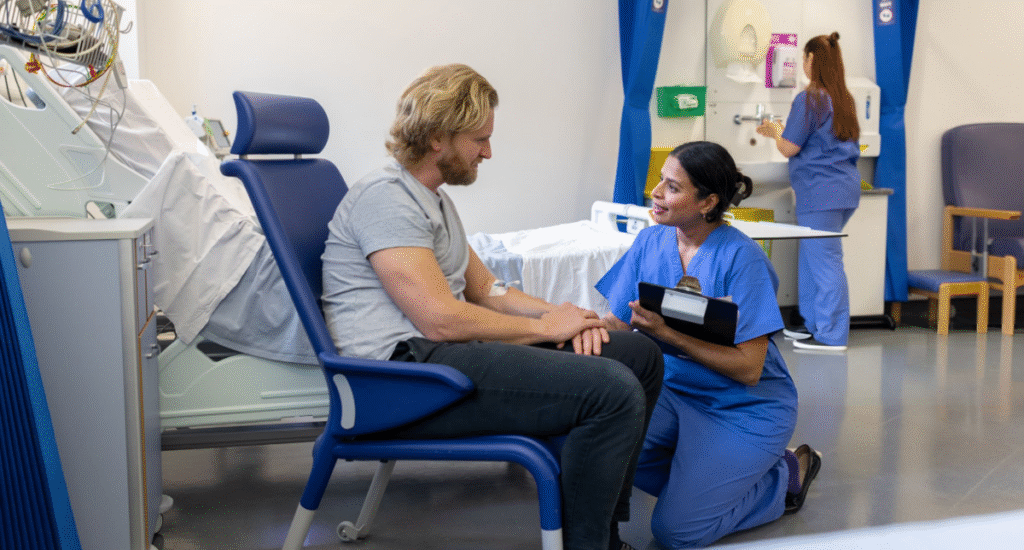
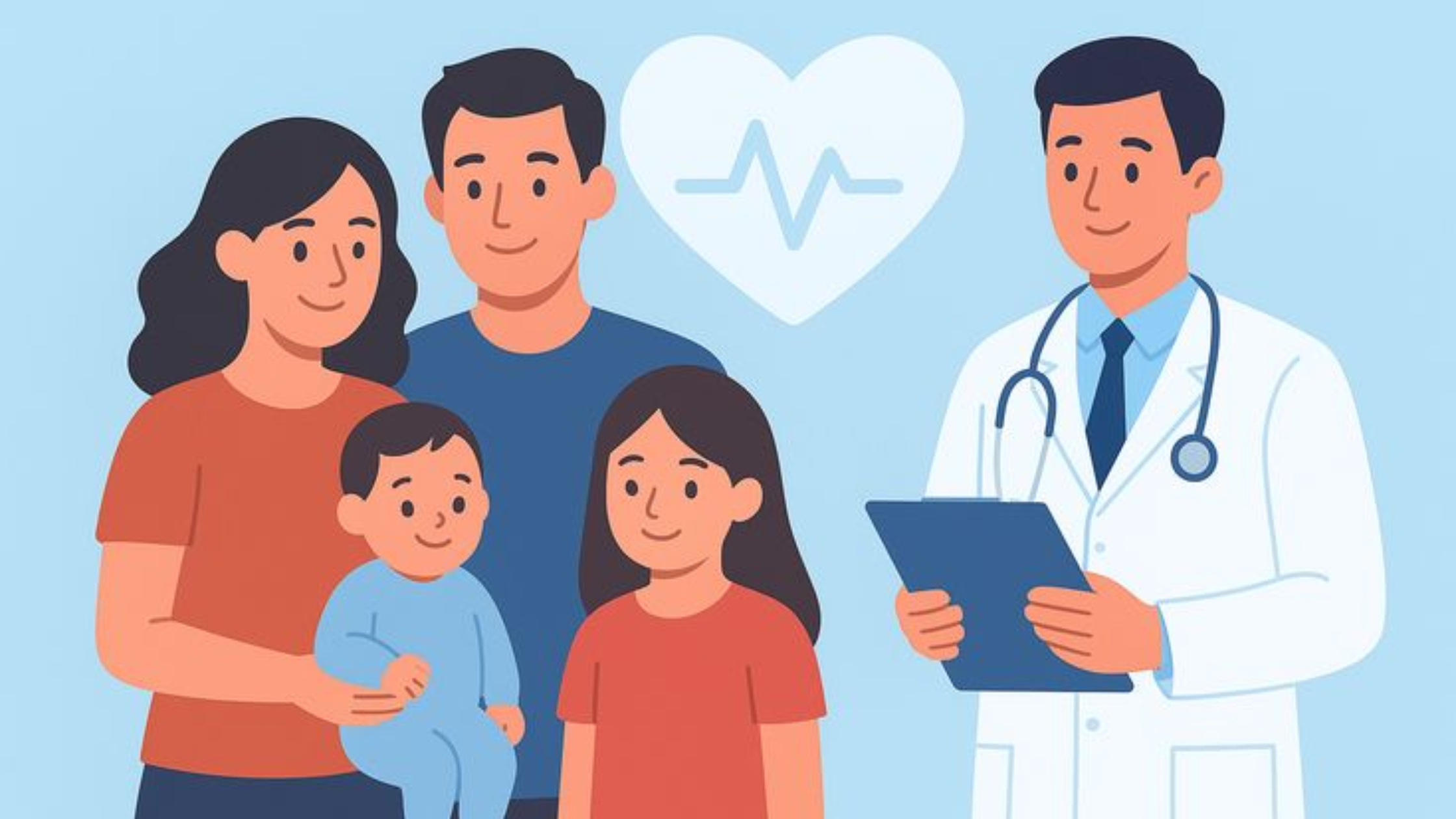
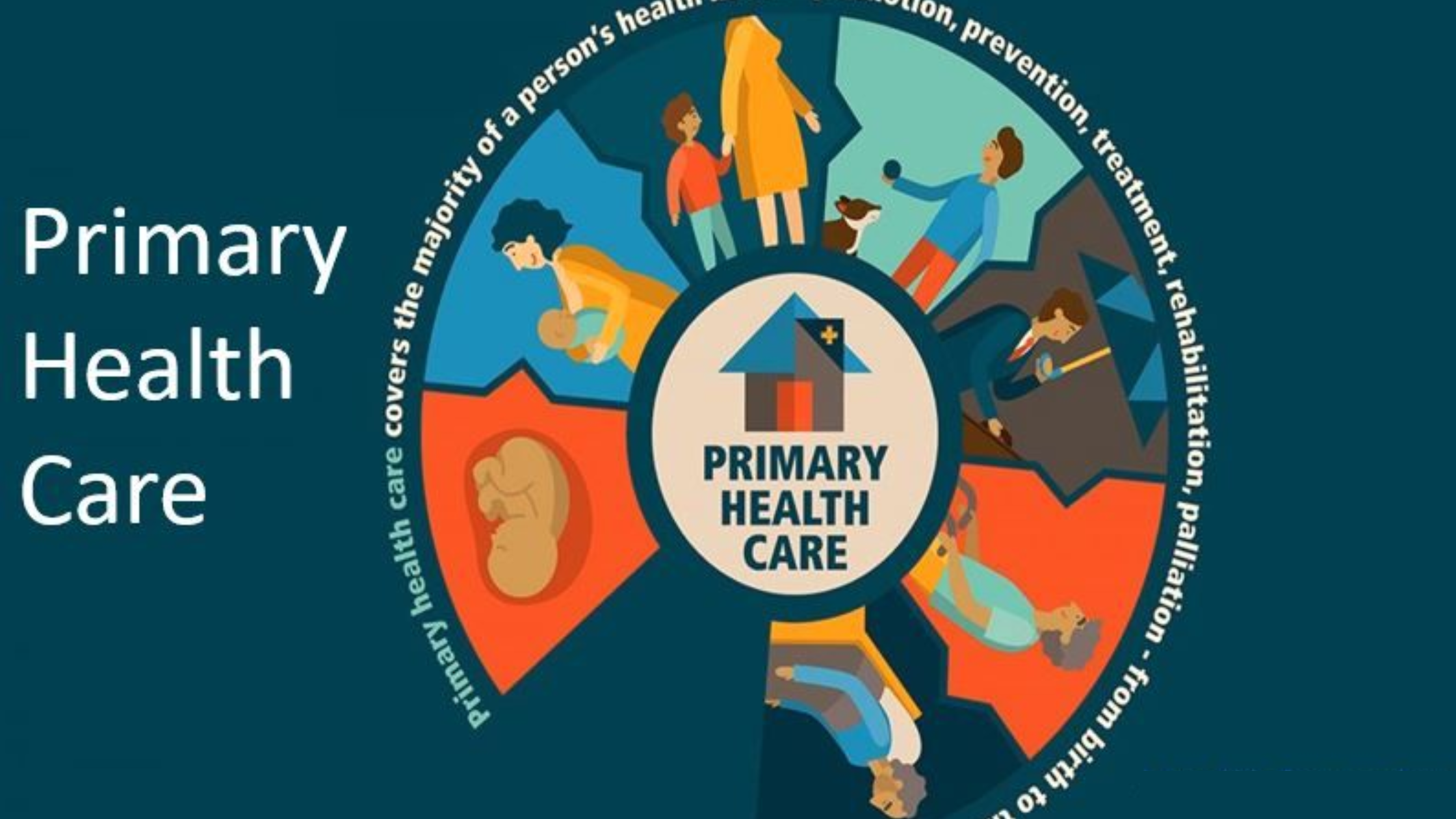
Healthcare is no longer just about treating illnesses-it’s about treating people. Patient-centered care focuses on understanding each individual’s unique needs, preferences, and health goals. By shifting from a one-size-fits-all approach to personalized treatment, healthcare providers can deliver better outcomes, improved patient satisfaction, and long-term wellness.
What Is Patient-Centered Care?
Patient-centered care is a healthcare approach that places the patient at the core of all medical decisions. It emphasizes:
Respect for patient values and preferences
Clear communication and shared decision-making
Coordinated and integrated care
Emotional support and empathy
This model encourages active patient involvement in their treatment journey, fostering trust and transparency between patients and healthcare providers.
Why Personalized Treatment Matters
Every patient is unique, and so is their health condition. Personalized treatment considers factors such as age, lifestyle, medical history, genetics, and personal preferences. This approach ensures:
More accurate diagnosis
Tailored treatment plans
Reduced side effects
Faster recovery
When treatments align with a patient’s individual needs, the effectiveness of care significantly improves.
Benefits of Patient-Centered Care
1. Improved Health Outcomes Personalized care leads to better treatment adherence and more effective management of chronic and acute conditions.
2. Enhanced Patient Satisfaction Patients feel heard, respected, and valued, which increases confidence in healthcare providers.
3. Better Communication Open dialogue improves understanding and helps patients make informed decisions about their health.
4. Reduced Healthcare Costs By avoiding unnecessary treatments and hospital readmissions, patient-centered care contributes to cost-effective healthcare.
The Role of Technology in Personalized Care
Modern healthcare technology plays a crucial role in patient-centered treatment. Electronic health records (EHRs), telemedicine, AI-based diagnostics, and wearable health devices enable doctors to monitor patient health more accurately and customize treatments in real time.
How Healthcare Providers Can Implement Patient-Centered Care
* Actively listen to patients and address their concerns * Educate patients about treatment options * Encourage shared decision-making * Use data-driven insights for personalized treatment * Maintain continuous follow-up and support
Final Words:
Patient-centered care is the future of healthcare. By focusing on personalized treatment, healthcare providers can build stronger relationships with patients, improve outcomes, and create a more compassionate healthcare system. When patients are treated as partners in their care, everyone benefits.