
The Importance of Vaccinations for Children and Teens
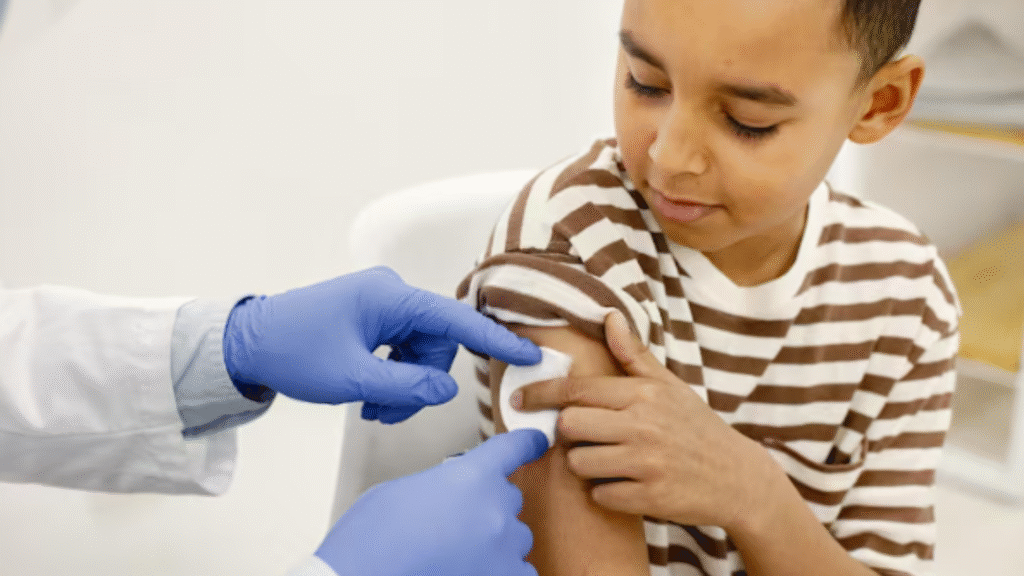
Vaccinations are one of the most effective ways to protect children and teens from serious illnesses and prevent the spread of infectious diseases. From infancy through adolescence, immunizations play a critical role in supporting healthy growth, reducing the risk of complications, and helping young individuals stay active in school, sports, and daily life.
Parents naturally want to provide the best possible protection for their children. Vaccines help strengthen the immune system by teaching the body how to recognize and fight harmful viruses and bacteria before they cause serious illness.
What Are Vaccinations?
Vaccinations are medical treatments that help the body’s immune system recognize and defend against specific diseases.
Vaccines contain weakened, inactive, or carefully developed components of germs that stimulate the immune system without causing the disease itself.
When a vaccinated child is exposed to a disease in the future, their immune system can respond quickly and effectively, reducing the risk of severe illness.
Why Vaccinations Are Important for Children
Children’s immune systems are still developing, making them more vulnerable to certain infections.
Vaccinations help protect children from diseases that can lead to serious health complications, hospitalization, and, in some cases, long-term health problems.
Benefits of Childhood Vaccinations
Protection against serious illnesses
Reduced risk of complications
Stronger immune defense
Fewer missed school days
Lower healthcare costs
Improved overall public health
Vaccines have significantly reduced the prevalence of many diseases that were once common among children.
Diseases Prevented by Childhood Vaccinations
Routine childhood immunizations help protect against diseases such as:
Measles
Mumps
Rubella
Polio
Diphtheria
Tetanus
Pertussis (Whooping Cough)
Hepatitis B
Chickenpox
Meningococcal Disease
Without vaccination, these illnesses can lead to severe complications and outbreaks within communities.
The Importance of Vaccinations During the Teen Years
Many parents assume vaccinations are only important during early childhood. However, adolescents also require certain immunizations to maintain protection as they grow older.
Teen vaccinations help protect against diseases that become more relevant during adolescence and young adulthood.
Common Vaccines Recommended for Teens
Tdap booster
Meningococcal vaccine
HPV vaccine
Annual flu vaccine
These vaccines help protect teens during school activities, sports participation, travel, and social interactions.
How Vaccinations Protect the Community
Vaccinations do more than protect individual children and teens.
When a large percentage of the population is vaccinated, communities benefit from what is known as herd immunity.
Herd Immunity Helps:
Reduce disease transmission
Protect vulnerable individuals
Prevent outbreaks
Support public health
This is especially important for infants, elderly individuals, and people with weakened immune systems who may be unable to receive certain vaccines.
Vaccines and School Readiness
Many schools require proof of immunization before enrollment.
Vaccinations help create safer learning environments by reducing the spread of contagious diseases among students.
Benefits for School-Aged Children Include:
Fewer absences due to illness
Better participation in activities
Reduced risk of outbreaks
Healthier school communities
Healthy students are better able to focus on learning and academic success.
Explore our services: https://medinetclinic.com/services/
Common Myths About Vaccinations
Despite extensive scientific research supporting vaccine safety, misinformation still exists.
Myth: Vaccines Cause the Disease
Vaccines are designed to stimulate the immune system without causing the illness they prevent.
Myth: Healthy Children Do Not Need Vaccines
Even healthy children can become seriously ill if exposed to vaccine-preventable diseases.
Myth: Natural Immunity Is Better
While natural infection can provide immunity, it often comes with significant risks and potential complications.
Vaccination offers a safer way to build protection against many diseases.
Follow us on instagram: https://www.instagram.com/medinetcare/
FAQ's
1. Why are vaccinations important for children?
Vaccinations protect children from serious diseases and help reduce the risk of complications, hospitalization, and disease transmission.
2. Do teenagers still need vaccines?
Yes. Teens often require booster shots and additional vaccines to maintain protection as they grow older.
3. Are vaccines safe?
Vaccines undergo extensive testing and ongoing safety monitoring to ensure they meet strict medical standards.
4. What is herd immunity?
Herd immunity occurs when enough people are vaccinated to help reduce the spread of disease within a community.
5. How can I keep my child’s vaccinations up to date?
Schedule regular wellness visits and follow your healthcare provider’s recommended immunization schedule.
Final Thoughts
Vaccinations remain one of the most effective tools for protecting children and teens from preventable diseases. By strengthening the immune system and reducing the spread of infections, vaccines help support healthier families, safer schools, and stronger communities.
From infancy through adolescence, staying current with recommended immunizations plays a vital role in long-term health and wellness. Parents who prioritize preventive care and routine vaccinations are taking an important step toward protecting their children’s future.